A joint program from Techizen Institute × PIT-UN
PIT Product Assessment Lab

The inaugural cohort

ConvenesJanuary 2027
01
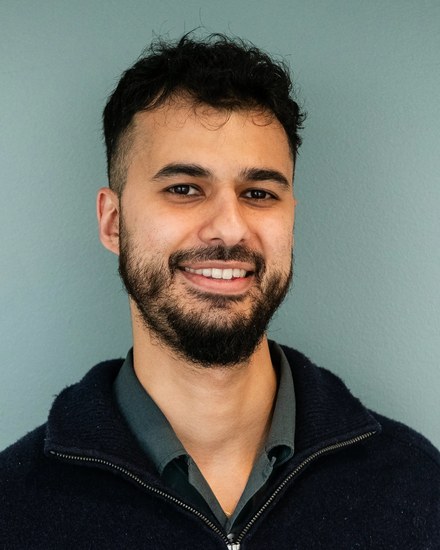
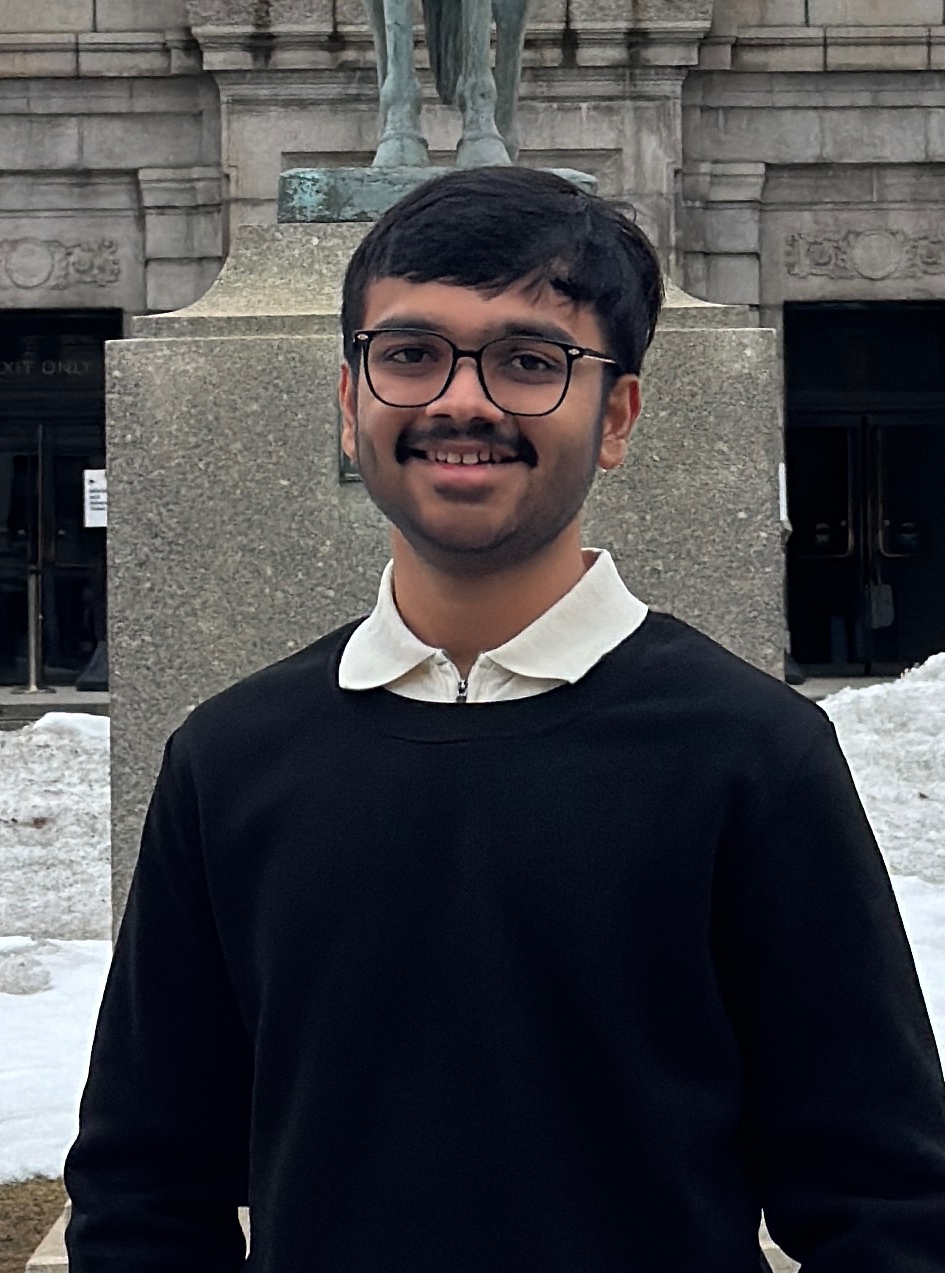
Aunray Stanford, SafeStep team lead

Aunray Stanford

Team lead · SafeStep
Community Technologist
New York City

SafeStep

The SafeStep app uses the credible messenger canvassing framework to leverage the grounded knowledge of community violence intervention to innovate an application that allows users to walk safer through route prediction based on user-sourced information and live open data.
SafeStep · Team introductionOpen video ↗

Public challenge

  • Safety Beyond Policing
In their own words

Aunray Stanford is a Community Technologist based in NYC. I combine technology, research, community leadership, writing and lived experience in my work. SafeStep is by and for underrepresented people building a different future.

Team members
  • Aunray Stanford
02
Edward Sie, ClimateSignal team lead

Edward Sie

Team lead · ClimateSignal
Howard University

ClimateSignal

ClimateSignal is an open-source, solar-powered environmental monitoring station designed for fenceline communities that live with heat, industrial air pollution, and flooding official monitors fail to capture.
ClimateSignal · Team introductionOpen video ↗

Public challenge

  • Algorithmic Accountability & Community Power
  • Environmental Justice & Climate Resilience
  • Digital Equity & Technology Self-Determination

Edward Sie is a sophomore Computer Science student at Howard University with a strong interest in software engineering, data science, and technology for social impact. He currently serves as a Research Assistant at the Core Futures Lab, where he develops and maintains applications for the Climate Signal project, contributing to technology solutions that support climate research and community resilience.

Team members
  • Edward Sie
03
Nissim Ram, CivilChat team lead

Nissim Ram

Team lead · CivilChat
New York University

CivilChat

At the NYU 2026 PIT-UN Hackathon, Nissim Ram and Jose Ignacio Rodriguez Jimenez built a chatbot to answer questions about the CCRB, a dataset of civilian complaints against police officers who may have abused their authority.
CivilChat · Team introductionOpen video ↗

Public challenge

  • Safety Beyond Policing

Nissim Ram is a civic technologist focused on web development, GIS, and building public-facing tools that increase transparency and centralize information. He recently graduated from NYU's Urban Data Science program, where he co-founded CivilChat, a web tool that helps residents track complaints of potential officer abuse of authority.

Team members
  • Nissim Ram
  • Jose Ignacio Rodriguez Jimenez
04
Nonso Elelleh, Served team lead

Nonso Elelleh

Team lead · Served
University of Pennsylvania Carey Law School

Served

Penn Carey Law's Social Justice Hackathon winner Served pairs a low-tech physical object with a lightweight technical backend. Each business card carries a unique link (served.so/[code]) printed directly on it, so the person who receives the card has a direct path back into the platform without needing an app or account. That link routes to a Framer-built site, where both the sender and recipient move through the same short, guided reflection.
Served · Team introductionOpen video ↗

Public challenge

  • Economic Justice & Worker Power
  • Health Equity & Community-Controlled Care
  • Civic Participation & Democratic Infrastructure

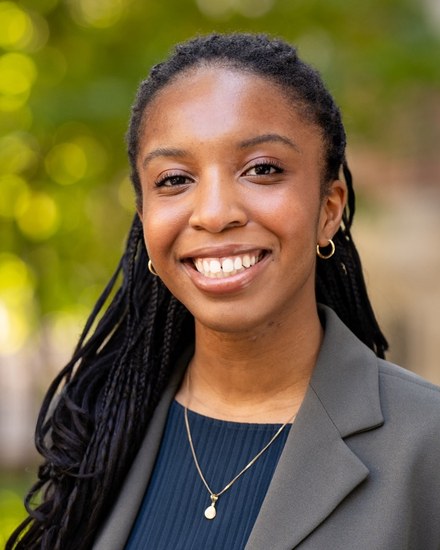
Nonso Elelleh is a 3L at the University of Pennsylvania Carey Law School, where she concentrates at the intersection of law, design, and technology. Her activities at the law school notably include serving as an Executive Editor of the Journal of Law and Innovation and as a member of the Wharton Venture Lab. An alumna of Sarah Lawrence College and the University of Oxford, where she wrote a thesis on participatory design, she built an early foundation in human-centered approaches to technology. Her projects include Amicus Aria, a moot court simulation and legal argumentation tool, and Served, an interactive dining concept addressing attorney isolation that won Philadelphia's Social Justice Hackathon and was featured at the 2026 Information Architecture Conference.

Team members
  • Nonso Elelleh
05

University of Massachusetts Amherst

OceanEye

OceanEye’s mission is to democratize marine waste cleaning. OceanEye introduces an end-to-end, AI-powered system designed to detect, map, and optimize ocean waste cleanup while actively minimizing carbon emissions and protecting fragile marine life.
OceanEye · Team introductionOpen video ↗

Public challenge

  • Environmental Justice & Climate Resilience

Meet the team

Junaid Pathan

Co-founder · OceanEye

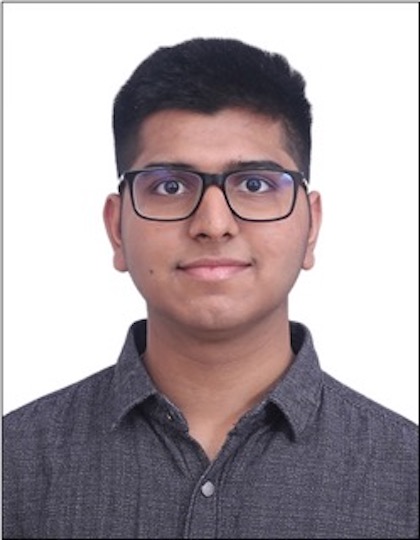
I am Junaid Pathan, a junior Computer Engineering student at the University of Massachusetts Amherst. I'm passionate about building AI systems that turn raw data into something people can actually use, especially for environmental problems. As a co-founder of OceanEye, I built the detection to dashboard pipeline that feeds our results into a live dashboard, and I worked on a RAG layer on top of it so users can ask questions about the detected waste data and get grounded, useful answers.

Tanish Gupta

Tanish Gupta

Co-founder · OceanEye

I am Tanish Gupta, a junior Computer Science student at the University of Massachusetts Amherst. I'm passionate about applying AI to real world environmental problems that most people overlook. As a co-founder of OceanEye, I integrated Google's Gemini vision model into our pipeline, using it to classify detected ocean waste into specific categories so we can turn raw detections into actionable insight.

Tirth Jajadia

Tirth Jajadia

Co-founder · OceanEye

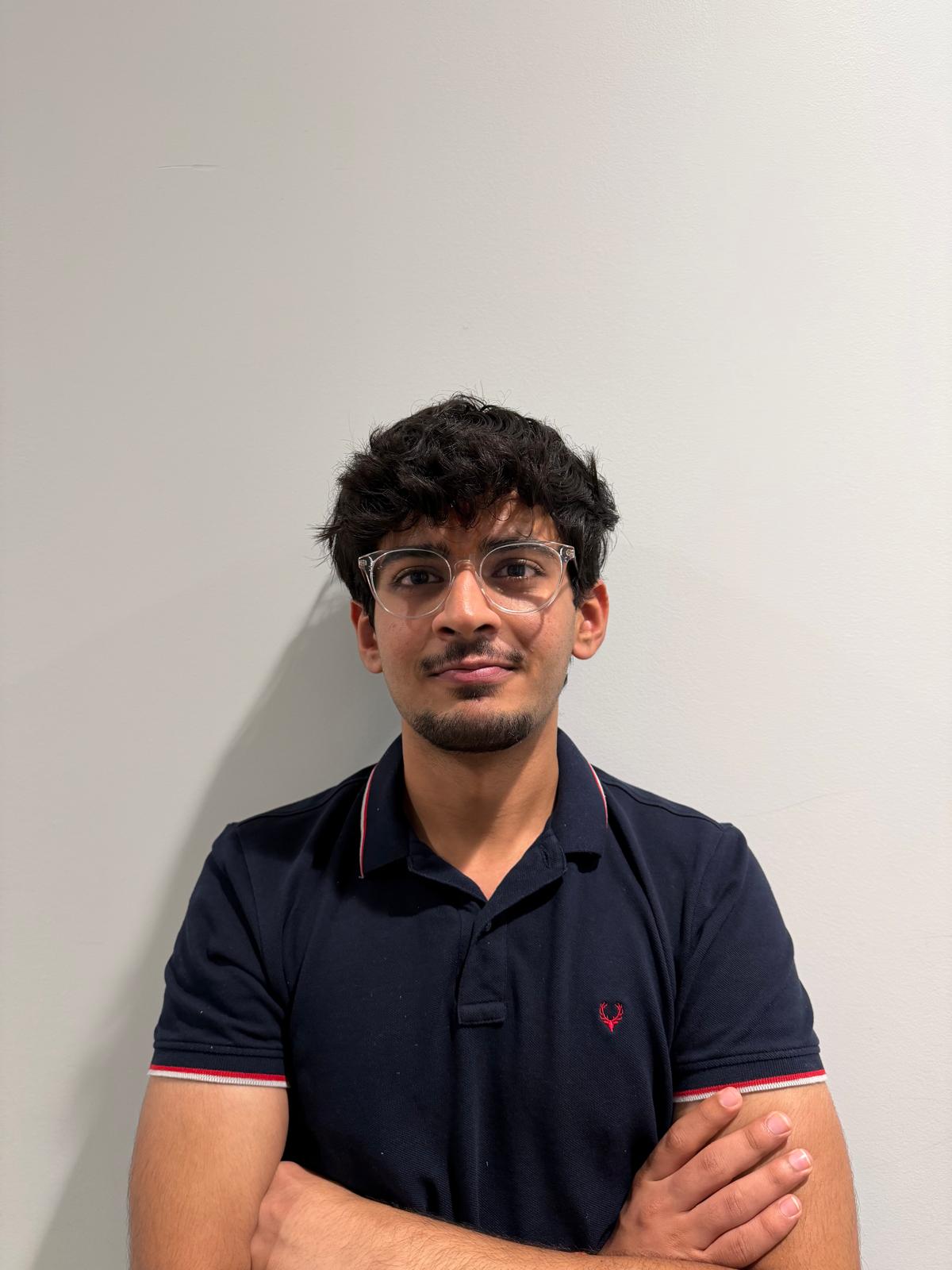
I am Tirth Jajadia, a Computer Science student at the University of Massachusetts Amherst. I'm excited about leveraging technology and algorithmic problem-solving for real world impact. As a co-founder of OceanEye, I built the map visualization and pathfinding system, mapping out debris clusters and calculating the best possible collection routes to make cleanup operations faster and more fuel-efficient.

Rudra Patel

Rudra Patel

Co-founder · OceanEye

I am Rudra Patel, a junior Computer Science student at University of Massachusetts Amherst. I am really passionate about public interest technology and love to do something for the common good. As a co-founder for oceaneye, I help build the training and validation of our computer vision model so that we can classify wastes into different categories.
How they got here

Every team on this page won a PIT-UN campus hackathon before applying to PPAL. Cohort 01 is drawn entirely from that pipeline, not an open call.